
How to Use Accounting Software for 1099 Reporting | Modern Business Accounting
In today’s increasingly regulated and data-driven business environment, compliance is no longer just a back-office responsibility; it is a strategic function that directly affects cash flow, risk exposure, and long-term sustainability.
One of the most critical compliance obligations for US businesses is 1099 reporting, particularly for companies that constantly work with independent contractors, consultants, freight agents, marketing firms, customs brokers, and other third-party service providers.
For businesses in specialized industries such as craft spirits importing, 1099 reporting can quickly become complex. Payments often flow to multiple vendors across logistics, compliance, brand representation, warehousing, and professional services.
Managing this manually is inefficient and risky. This is where accounting software plays a vital role, transforming 1099 reporting from a stressful annual task into a controlled, accurate, and repeatable accounting process.
This article explores how accounting software supports effective 1099 reporting, why it has become essential in modern accounting, and how businesses can use it to improve accuracy, efficiency, and compliance.
Understanding 1099 Reporting in Today’s Business Landscape
What Is 1099 Reporting?
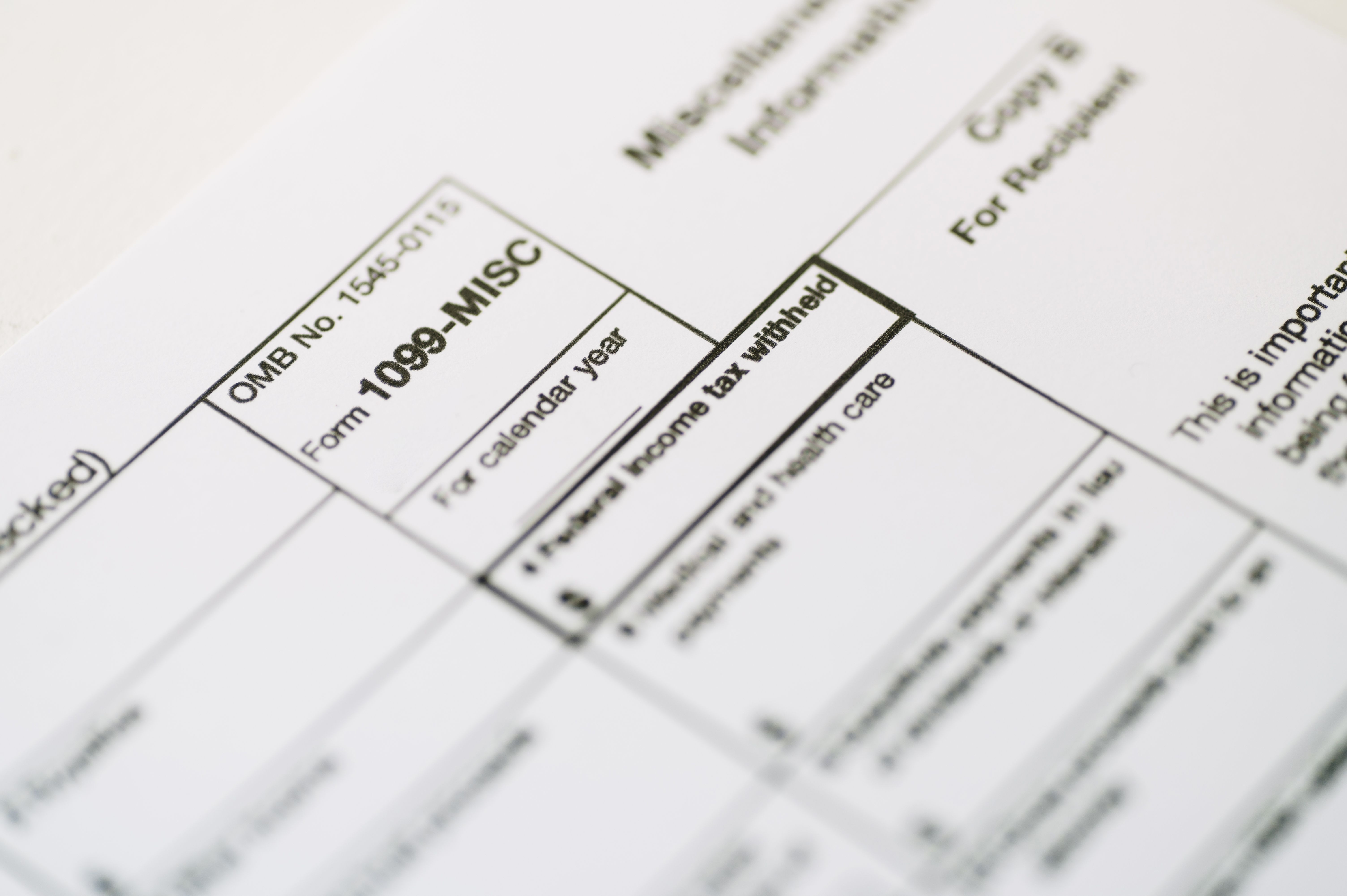
1099 reporting is an IRS requirement that obligates businesses to report payments made to non-employee individuals or entities that provided services during the tax year. The most common form is Form 1099-NEC, which reports non-employee compensation of $600 or more.
Businesses must:
- Track eligible payments throughout the year
- Collect accurate taxpayer information (W-9 forms)
- Generate and file 1099 forms with the IRS
- Provide copies to vendors by statutory deadlines
Failure to comply with can result in penalties, audits, and reputational damage.
Why 1099 Reporting Has Become More Important Than Ever
Several trends have increased the importance of accurate 1099 reporting:
- Growth of the independent contractor economy
- Increased IRS enforcement and automated matching
- Expanded state-level reporting requirements
- Shorter filing windows and stricter deadlines
- Greater reliance on outsourced services across industries
For craft spirits importers, this may include payments to:
- Brand ambassadors and sales representatives
- Customs and compliance consultants
- Freight forwarders and logistics coordinators
- Marketing agencies and creative professionals
- IT, accounting, and legal service providers
Accounting software has become a backbone for managing this complexity.
The Role of Accounting Software in Modern 1099 Reporting
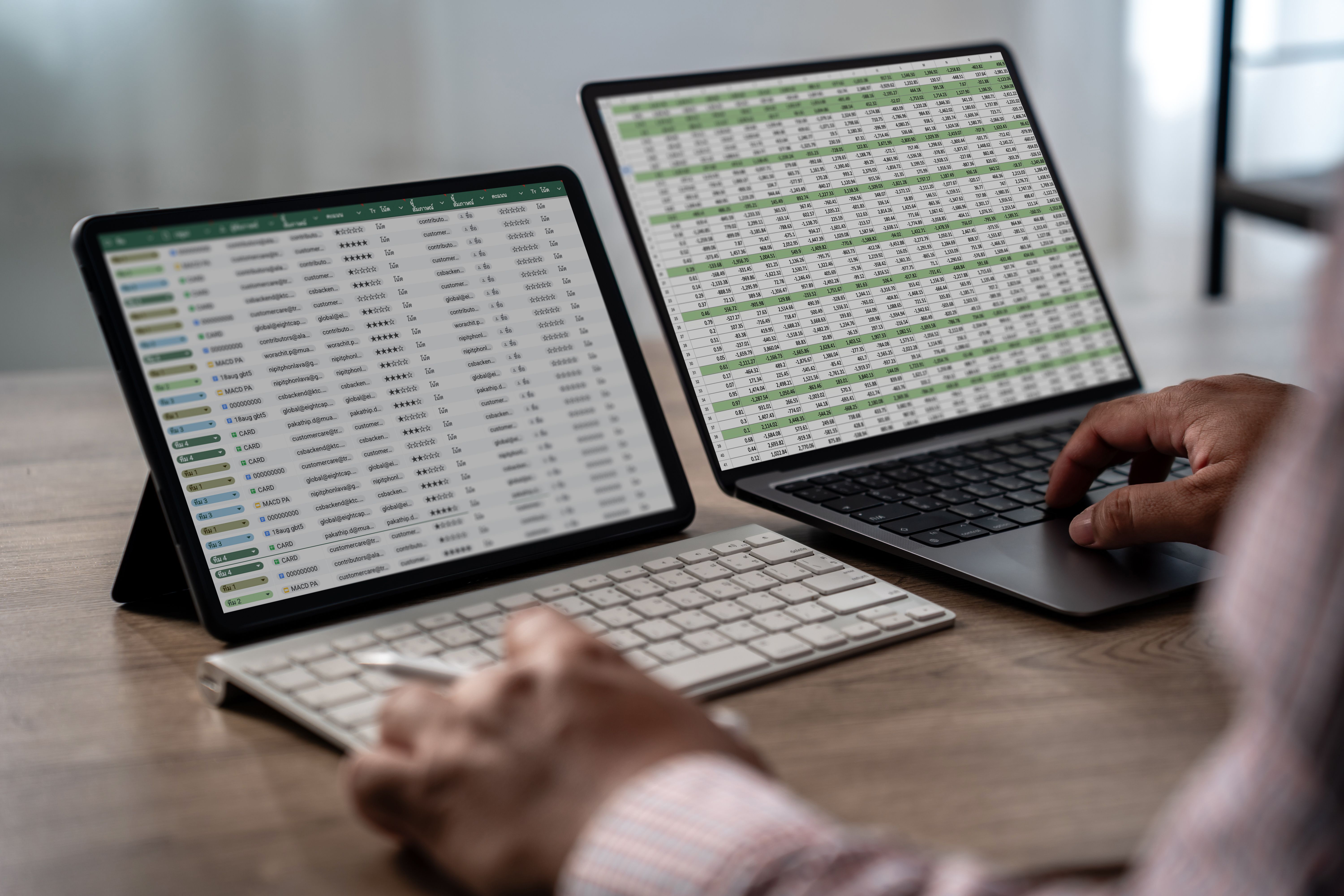
From Manual Tracking to Automated Compliance
In the past, many businesses relied on spreadsheets or year-end reviews of bank statements to prepare 1099s. This approach is no longer practical or safe. Modern accounting software allows businesses to:
- Track 1099-eligible payments in real time
- Classify vendors correctly at setup
- Capture tax information securely
Generate accurate 1099 forms automatically
This shift reduces errors and ensures compliance is built into daily accounting operations not treated as an afterthought.
Centralizing Vendor and Payment Data
One of the most powerful benefits of accounting software is data centralization. All vendor information, payment history, and tax classification details are stored in one system. This creates:
- A lone source of truth
- Consistency across accounting periods
- Faster access during audits or reviews
For importers managing multiple vendors across jurisdictions, this centralization is essential.
Step-by-Step: How to Use Accounting Software for 1099 Reporting
Step 1: Set Up Vendors Correctly from the Start
Accurate 1099 reporting begins at vendor onboarding.
Most accounting platforms allow you to:
- Identify whether a vendor is 1099-eligible
- Select the appropriate tax classification
- Store W-9 information securely
- Assign default expense accounts
This step ensures that every eligible payment is tracked automatically throughout the year.
Best practice: Never pay a new vendor before collecting a W-9 and entering them correctly into your accounting system.
Step 2: Categorize Payments Accurately
Not all payments to vendors are 1099-reportable. Accounting software helps distinguish between:
- Services vs. goods
- Reimbursable expenses vs. compensation
- Exempt vs. non-exempt entities
By using proper expense categories and vendor settings, the system determines which payments should be included in 1099 totals.
For example:
- Payments for consulting, marketing, compliance services → typically reportable
- Payments for inventory or freight charges to corporations → often non-reportable
- Automation minimizes the risk of misclassification.
Step 3: Track Payments in Real Time
Accounting software records each payment as it occurs, whether made by:
- Check
- ACH transfer
- Credit card
- Online payment platform
If payments are processed through the system and linked to the correct vendor, 1099 totals are updated automatically.
This eliminates the need for:
- Year-end reconstruction of records
- Manual calculations
- Last-minute vendor outreach
- Real-time tracking also supports better cash flow visibility.
Step 4: Review 1099 Reports Before Year-End
One of the biggest advantages of accounting software is the ability to run 1099 summary reports at any time.
These reports allow businesses to:
- See which vendors are approaching the $600 threshold
- Identify missing or incorrect tax information
- Correct classification errors before filing season
For finance teams, this proactive visibility turns 1099 compliance into a manageable, predictable process rather than a scramble.
Step 5: Generate and File 1099 Forms
Most modern accounting platforms offer:
- Built-in 1099 form generation
- E-filing integrations with the IRS
- Vendors copy distribution options
Some systems also handle:
- State filing requirements
- Deadline reminders
- Error checks before submission
This reduces reliance on external tools and lowers the risk of late or incorrect filings.
Why Accounting Software Is Now Essential to the Accounting Process

Accuracy in an Era of Automated IRS Matching
The IRS increasingly relies on automated systems to match 1099 filings against individual tax returns. Even small discrepancies can trigger notices or audits.
Accounting software improves accuracy by:
- Pulling data directly from transaction records
- Eliminating manual re-entry
- Applying consistent classification rules
This precision is critical for businesses operating on thin margins, such as craft spirits importers facing high compliance and logistics costs.
Efficiency and Time Savings
Manual 1099 preparation can consume dozens of hours each year. Accounting software reduces this dramatically by:
- Automating data collection
- Eliminating spreadsheet reconciliation
- Streamlining filing workflows
Time saved can be redirected toward strategic activities such as cost control, pricing analysis, and growth planning.
Improved Internal Controls and Audit Readiness
Strong accounting systems create clear audit trails. Every vendor payment is linked to:
- Vendor records
- Expense categories
- Payment methods
- Approval workflows
This transparency protects businesses during:
- IRS audits
- State tax reviews
- Financial due diligence
It also supports better internal governance.
Scalability for Growing Businesses
As businesses grow, so does vendor complexity. Accounting software scales effortlessly, allowing companies to:
- Add new vendors without increasing administrative burden
- Manage multiple entities or locations
- Maintain compliance as transaction volume increases
For growing craft spirits of importers expanding into new states or distribution channels, scalability is non-negotiable.
Integration with Broader Financial Management
1099 reporting does not exist in isolation. It is closely tied to:
- Cash flow management
- Expense analysis
- Budgeting and forecasting
- Tax planning
Modern accounting software integrates these functions, providing leadership with a holistic financial view.
Common 1099 Reporting Mistakes That Software Helps Prevent
Paying vendors outside the accounting system
- Missing W-9 forms
- Misclassifying vendors or expenses
- Overlooking cumulative payment thresholds
- Filing late or with incorrect totals
By embedding compliance into daily workflows, accounting software significantly reduces these risks.
The Strategic Value of Professional Oversight
While accounting software is powerful, it is not a replacement for professional judgment. Configuration of errors, incorrect vendor setup, or misunderstood tax rules can still create issues.
This is why many businesses partner with outsourced financial experts who:
- Configure systems correctly
- Establish best practices
- Review compliance processes
- Provide ongoing financial oversight
This combination of technology and expertise delivers the strongest results.
Conclusion: Turning Compliance into a Strategic Advantage
1099 reporting is no longer just a seasonal task, it is a year-round accounting responsibility that reflects the overall health and discipline of a business’s financial operations. Accounting software has become essential in managing this process efficiently, accurately, and in compliance with evolving regulations.
For businesses navigating complex vendor networks and regulatory environments, especially in specialized industries like craft spirits importing, the right systems and guidance can transform compliance from a burden into a competitive advantage.
Vantage-CFO Financial Services helps businesses implement and optimize accounting systems, ensure regulatory compliance, and build financial processes that support sustainable growth. With experienced oversight and strategic insight, companies gain more than compliance; they gain clarity, confidence, and control over their financial future.