
How to Account for Long-Term Inflation in Inventory, Labor, and Operating Costs
Inflation is no longer a short-term disruption that businesses can afford to ignore or treat as a temporary anomaly. Over the past several years, persistent cost increases across raw materials, wages, logistics, and energy have forced companies to rethink how they plan, price, and report financial performance.
For businesses especially those operating in capital-intensive and margin-sensitive sectors like craft spirits importation in the United States accounting for long-term inflation is now a critical component of financial strategy.
From inventory valuation to labor planning and operational budgeting, inflation reshapes nearly every line of item in the financial statements. More importantly, it influences decision-making at the executive level, impacting pricing models, supplier negotiations, capital investments, and growth strategies.
This article explores how businesses should account for long-term inflation across three key areas of inventory, labor, and operating costs, and why incorporating inflation into modern accounting processes is essential for sustainable financial health.
Understanding Long-Term Inflation in a Business Context
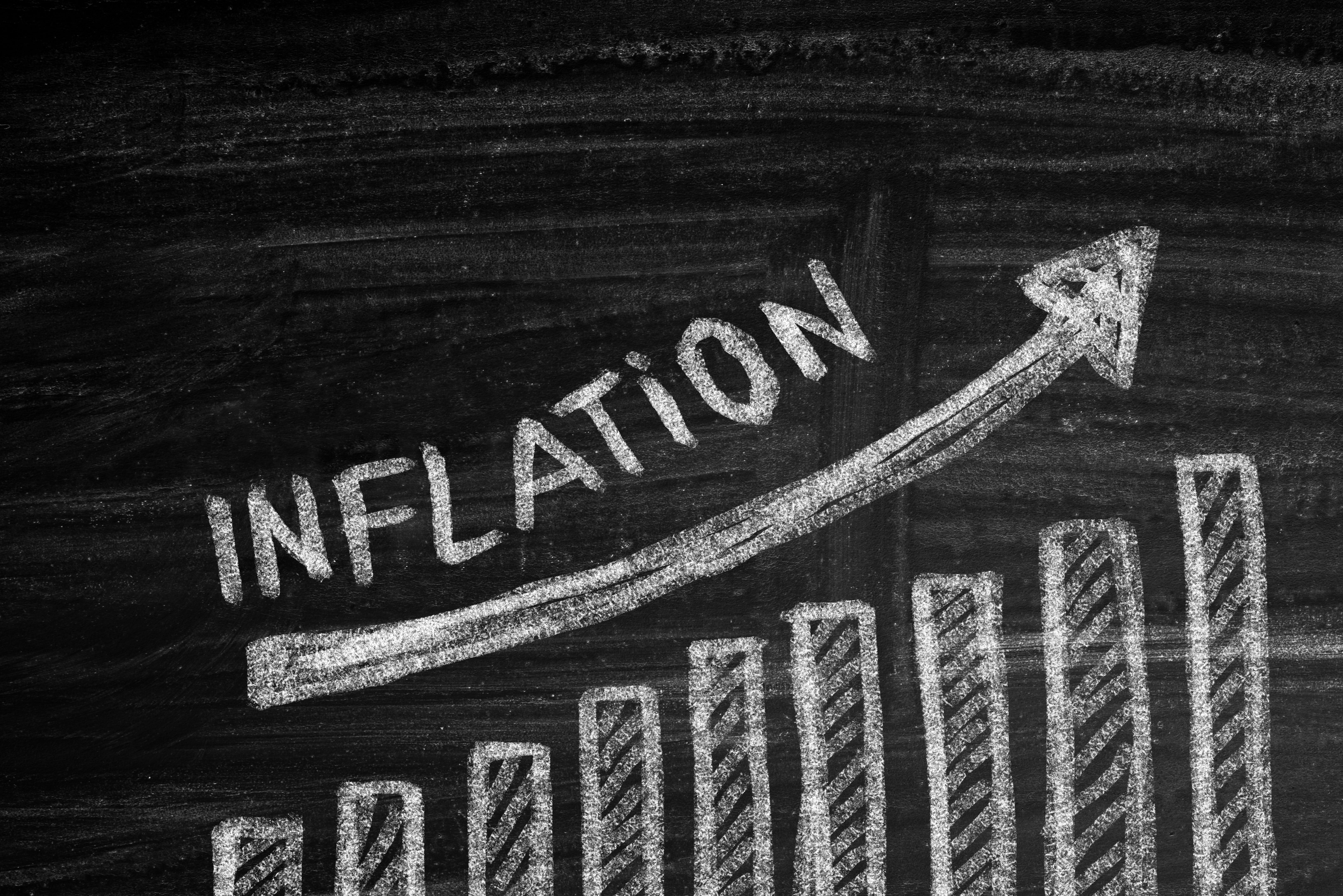
Inflation refers to the gradual increase in prices over time, reducing purchasing power. While short-term inflation spikes can be disruptive, long-term inflation presents a different challenge: it embeds itself into the cost structure of a business.
For importers of tequila and Scotch in the U.S., long-term inflation may show up in:
- Rising agave prices due to supply constraints
- Increased barrel and glass costs
- Higher international shipping and freight expenses
- Wage inflation in warehousing, distribution, and compliance roles
- Regulatory and compliance cost increases
Unlike temporary fluctuations, these changes tend to persist, requiring businesses to adjust their accounting frameworks rather than simply react operationally.
Accounting for Inflation in Inventory

1. Inventory Valuation Methods Matter More Than Ever
Inventory is often one of the largest assets on a company’s balance sheet, particularly for businesses that import and store physical goods like craft spirits. Inflation directly affects the cost of acquiring inventory, making valuation methods critical.
The most commonly used methods include:
- FIFO (First-In, First-Out)
- LIFO (Last-In, First-Out)
- Weighted Average Cost
In an inflationary environment:
- FIFO results in lower cost of goods sold (COGS) and higher reported profits because older, cheaper inventory is expensed first.
- LIFO results in higher COGS and lower profits, reflecting more current (inflated) costs.
For U.S.-based importers, LIFO can provide tax advantages during inflationary periods because it reduces taxable income. However, it may also understate inventory value on the balance sheet.
2. Replacement Cost vs Historical Cost
Traditional accounting relies heavily on historical cost, but this approach becomes less meaningful during prolonged inflation. Businesses should incorporate replacement cost analysis into their internal reporting.
For example:
- If a bottle of imported Scotch was purchased at $20 last year but now costs $28, relying solely on historical cost understates the true economic cost of replenishing inventory.
- Pricing decisions based on outdated costs can erode margins quickly.
Forward-looking companies supplement GAAP reporting with internal metrics that reflect current replacement costs, ensuring more accurate pricing and purchasing decisions.
3. Inventory Turnover and Holding Risks
Inflation increases the risk associated with holding inventory:
- High inventory levels may lead to capital being tied up in goods that lose real value over time.
- Conversely, understocking can result in missed sales opportunities and higher replenishment costs.
Businesses must carefully balance inventory turnover rates. Advanced forecasting models that incorporate inflation trends, supplier lead times, and demand variability are essential.
4. Supplier Contracts and Cost Locking
To mitigate inflation risk, many importers negotiate long-term contracts with suppliers. From an accounting perspective, these agreements should be carefully tracked and disclosed where necessary.
Key considerations include:
- Fixed vs variable pricing clauses
- Currency exposure (especially for international imports)
- Hedging strategies
Proper documentation and forecasting ensure that these agreements are accurately reflected in financial planning and reporting.
Accounting for Inflation in Labor Costs

1. Wage Inflation and Compensation Planning
Labor costs are among the most sensitive to inflation. In a competitive labor market, businesses must increase wages to attract and retain talent.
For companies in the craft spirits importation sector, this includes:
- Warehouse staff
- Logistics coordinators
- Sales representatives
- Compliance and regulatory professionals
Accounting wage inflation requires more than adjusting payroll expenses; it involves long-term workforce planning.
2. Forecasting Future Labor Costs
Traditional budgeting often assumes stable or predictable wage increases. However, in an inflationary environment, this assumption can lead to significant underestimation of costs.
Businesses should:
- Use scenario-based forecasting models
- Incorporate inflation indices and labor market data
- Adjust compensation plans annually or semi-annually
Accurate forecasting ensures that labor costs are aligned with revenue projections and pricing strategies.
3. Benefits and Indirect Compensation
Inflation does not just affect salaries it also impacts:
- Health insurance premiums
- Retirement contributions
- Bonuses and incentives
These indirect costs can grow significantly over time and must be included in comprehensive labor cost accounting.
4. Productivity vs Cost Balance
One of the most important strategic considerations is balancing rising labor costs with productivity improvements.
Businesses can:
- Invest in automation and technology
- Optimize workflows and processes
- Train employees to increase efficiency
From an accounting standpoint, these investments may increase short-term expenses but improve long-term cost structures and margins.
Accounting for Inflation in Operating Costs
1. Rising Overhead Expenses
Operating costs include everything from rent and utilities to marketing and insurance. Inflation affects nearly all of these categories.
For example:
- Warehouse rental rates may increase annually
- Fuel and transportation costs can fluctuate significantly
- Marketing expenses may rise due to increased competition
Businesses must regularly review and adjust their operating budgets to reflect these changes.
2. Cost Allocation and Accuracy
Accurate cost allocation becomes more important during inflationary periods. Misallocating costs can distort profitability analysis and lead to poor decision-making.
For instance:
- Underestimating logistics costs can make certain products appear more profitable than they actually are
- Failing to allocate overhead properly can skew performance metrics across product lines
Modern accounting systems should enable detailed tracking and allocation of costs across departments and products.
3. Capital Expenditures vs Operating Expenses
Inflation also influences decisions about capital investments.
Businesses must evaluate:
- Whether to lease or buy equipment
- The timing of major purchases
- The impact of interest rates on financing
Proper accounting treatment ensures that these decisions are accurately reflected in financial statements and long-term planning.
4. Pricing Strategy Alignment
Ultimately, all cost increases must be reflected in pricing strategies. However, raising prices is not always straightforward, especially in competitive markets.
Businesses should:
- Analyze price elasticity
- Monitor competitor pricing
- Adjust product mix and offerings
Accounting plays a key role in providing the data needed to make informed pricing decisions.
The Importance of Inflation Accounting in Modern Financial Processes

1. More Accurate Financial Reporting
Inflation-adjusted accounting provides a more realistic view of a company’s financial position. Without it, financial statements may:
- Overstate profits
- Understate costs
- Misrepresent asset values
This can mislead stakeholders, including investors, lenders, and management.
2. Better Decision-Making
Accurate cost data is essential for strategic decision-making. Businesses that account for inflation can:
- Set appropriate pricing
- Negotiate better supplier contracts
- Allocate resources more effectively
In contrast, companies that ignore inflation risk making decisions based on outdated or incomplete information.
3. Improved Cash Flow Management
Inflation can strain cash flow by increasing costs faster than revenues. Proper accounting helps businesses:
- Anticipate cash needs
- Manage working capital
- Avoid liquidity issues
For importers dealing with long lead times and large inventory investments, cash flow management is especially critical.
4. Enhanced Risk Management
Inflation introduces various risks, including:
- Margin compression
- Supply chain disruptions
- Interest rate increases
By incorporating inflation into accounting processes, businesses can identify and mitigate these risks proactively.
5. Regulatory and Compliance Considerations
While U.S. GAAP does not require inflation-adjusted financial statements, businesses must still ensure that their reporting is accurate and transparent.
Additionally:
- Tax implications of inventory methods (e.g., LIFO vs FIFO) must be carefully managed
- Disclosures related to risks and uncertainties may be required
Staying compliant while adapting to inflation is a delicate balance that requires expertise.
Practical Strategies for Businesses
1. Implement Rolling Forecasts
Instead of relying on static annual budgets, businesses should use rolling forecasts that are updated regularly to reflect changing conditions.
2. Use Inflation Indices
Incorporate relevant inflation indices into financial models, such as:
- Consumer Price Index (CPI)
- Producer Price Index (PPI)
These indicators provide valuable insights into cost trends.
3. Invest in Financial Technology
Modern accounting software can:
- Track real-time costs
- Automate reporting
- Provide advanced analytics
This enables more accurate and timely decision-making.
4. Collaborate Across Departments
Accounting should not operate in isolation. Collaboration with:
- Procurement
- Operations
- Sales
ensures that financial data reflects real-world conditions.
5. Seek Expert Guidance
Inflation accounting can be complex, especially for businesses with international operations and diverse cost structures. Working with experienced financial professionals can provide valuable insights and support.
Special Considerations for Craft Spirits Importers in the U.S.

Businesses importing tequila and Scotch face unique challenges:
- Currency fluctuations affecting import costs
- Regulatory compliance costs
- Aging requirements for certain spirits
- Storage and warehousing expenses
Inflation amplifies these challenges, making it even more important to:
- Monitor cost trends closely
- Adjust pricing strategies proactively
- Maintain strong supplier relationships
Additionally, premium and craft segments may have more flexibility in pricing, but they also face higher expectations for quality and consistency.
Conclusion
Long-term inflation is no longer a background economic factor; it is a central force shaping how businesses operate, plan, and report financial performance. From inventory valuation to labor planning and operating cost management, every aspect of accounting must adapt to reflect the realities of rising prices.
Businesses that proactively integrate inflation into their accounting processes gain a significant advantage. They make better decisions, maintain healthier margins, and position themselves for sustainable growth even in uncertain economic conditions.
For companies seeking expert guidance in navigating these complexities, Vantage-CFO Financial Services offers tailored financial strategies designed to help businesses stay resilient, optimize costs, and drive long-term profitability. With the right partner, managing inflation becomes not just a challenge but an opportunity for smarter financial leadership.