
How Distributed Ledgers Improve Transparency and Trust in Accounting
A distributed ledger is a shared digital record that is maintained across multiple systems or participants rather than stored in a single centralized database. Every authorized participant has access to the same version of the ledger, and updates are recorded simultaneously across the network.
Unlike traditional accounting systems where one entity controls the data, distributed ledgers rely on consensus mechanisms. This means that transactions must be verified and agreed upon before they are added to the ledger. Once recorded, the data becomes extremely difficult to alter without detection.
In practical terms, distributed ledgers create a sole source of truth that multiple parties can rely on, without needing to trust one central authority.
Why Transparency Matters More Than Ever in Accounting

Transparency has always been a core principle of accounting, but its importance has intensified in today’s business environment. Companies now operate across complex supply chains, multiple jurisdictions, and increasingly digital ecosystems.
Traditional accounting systems often struggle with:
- Data silos between departments or external partners
- Manual reconciliations
- Delayed reporting
- Limited visibility into transaction history
Distributed ledgers directly address these issues by making financial data openly verifiable to authorized users.
Real-Time Visibility
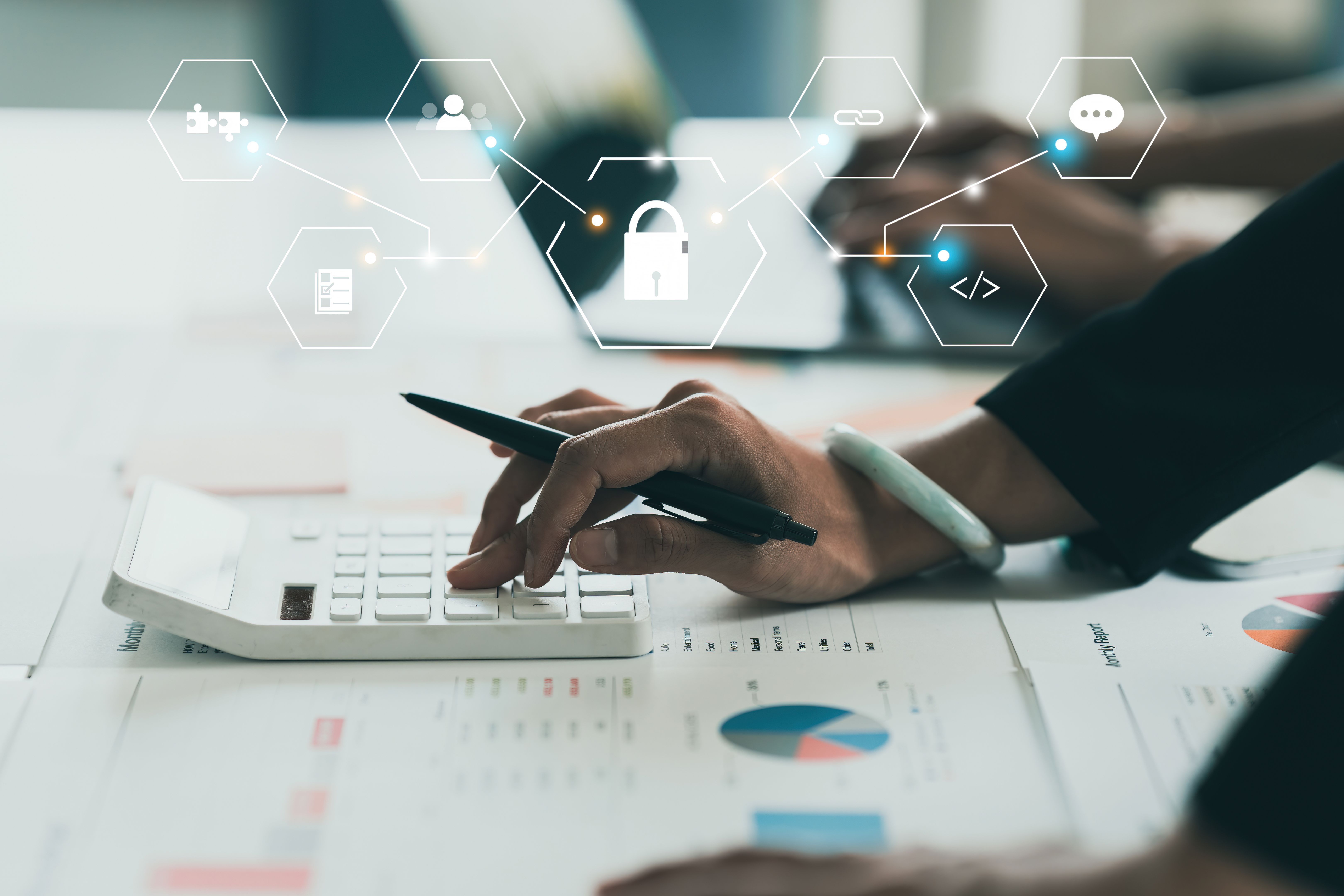
With distributed ledgers, transactions are recorded in near real time and immediately visible to relevant stakeholders. This reduces information asymmetry and allows decision-makers to act on current data rather than historical snapshots.
For accounting teams, this means fewer surprises at month-end or year-end closings and more confidence in day-to-day financial reporting.
Improving Traceability Across Financial Transactions
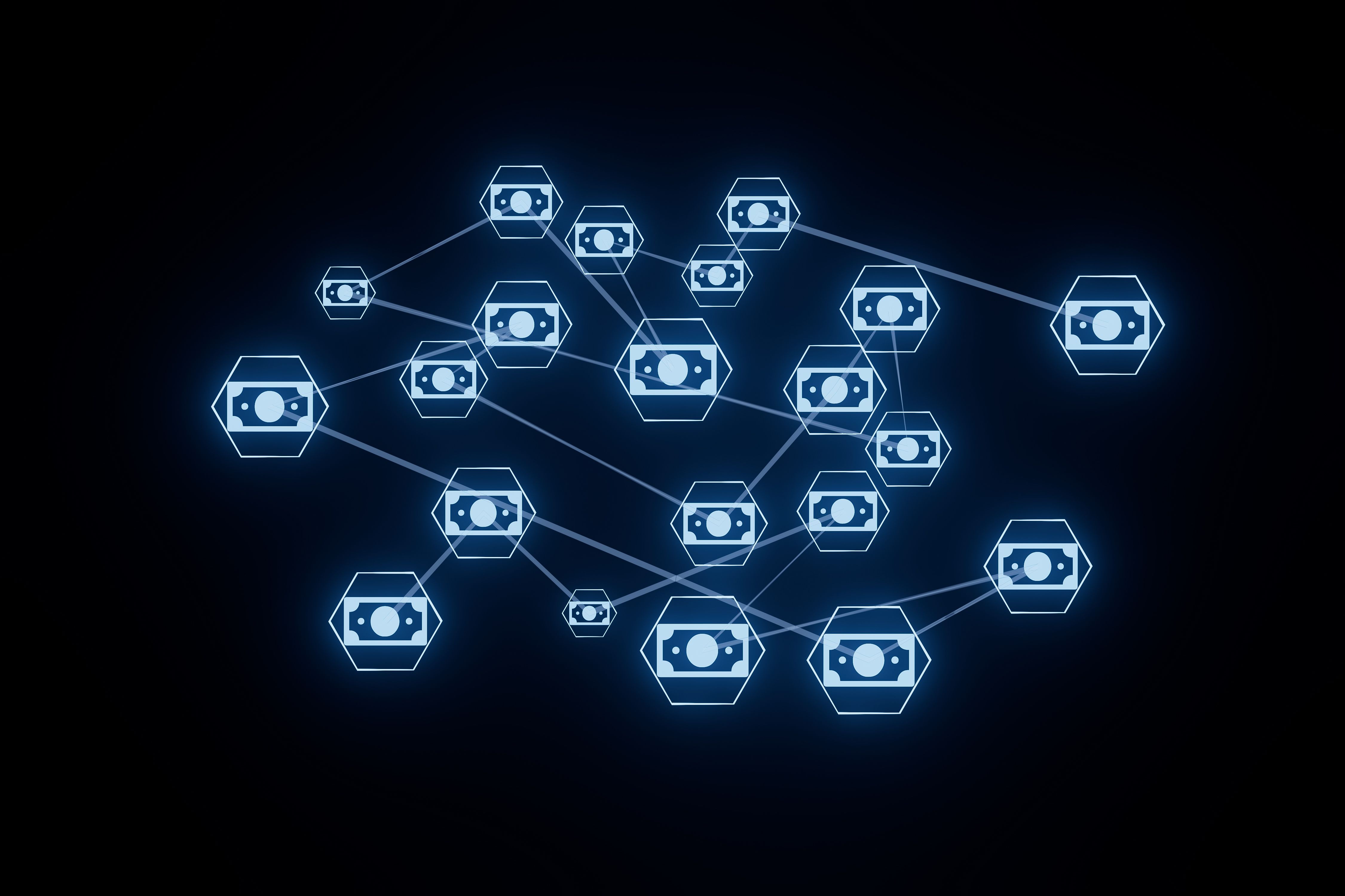
Traceability refers to the ability to follow a transaction from its origin through every step of its lifecycle. In traditional accounting systems, tracing transactions often require pulling data from multiple systems, reviewing audit trails, and reconciling discrepancies manually.
Distributed ledgers improve traceability by design.
Immutable Transaction Histories
Each transaction recorded on a distributed ledger is time-stamped, linked to previous entries, and permanently stored. This creates a complete and chronological audit trail that cannot be altered without leaving evidence.
For accountants and auditors, this dramatically reduces the effort required to:
- Verify transaction authenticity
- Track adjustments or corrections
- Investigate discrepancies
- Support compliance and reporting requirements
Stronger Internal Controls
Because every transaction is recorded consistently across the network, distributed ledgers reduce opportunities for unauthorized changes, duplicate entries, or data manipulation. This strengthens internal controls and lowers the risk of fraud.
Building Trust in Financial Data
Trust is the foundation of financial reporting. Without trust, financial statements lose their value; audits become more costly, and stakeholder confidence erodes.
Distributed ledgers help rebuild and reinforce trust in several important ways.
Reduced Reliance on Manual Verification

In traditional accounting, trust is often established through audits, reconciliations, and third-party verification. While these processes are still essential, they are time-consuming and expensive.
Distributed ledgers embed trust directly into the system by:
- Ensuring transaction validity through consensus
- Providing shared access to the same data
- Making tampering easily detectable
This does not eliminate the need for professional judgment or oversight, but it significantly enhances data reliability.
Shared Trust Among Multiple Parties
In scenarios involving multiple organizations such as joint ventures, supply chains, or financial partnerships distributed ledgers allow all parties to rely on the same data without depending on one organization’s internal records.
This shared trust reduces disputes, speeds up settlements, and improves collaboration.
The Impact on Modern Accounting Processes
Distributed ledger technology is not replacing accountants, but it is changing how accounting work is performed. Many routine, manual tasks are becoming automated or simplified, allowing accounting professionals to focus on higher-value activities.
Streamlined Reconciliations
One of the most time-consuming tasks in accounting is reconciliation ensuring that records from different systems match. Distributed ledgers significantly reduce this burden by providing a unified record that all parties agree on.
As a result:
- Fewer discrepancies occur
- Closing cycles become faster
- Accounting teams spend less time on error correction
Continuous Auditing and Reporting

Because data is updated in real time and remains traceable, distributed ledgers enable continuous auditing rather than periodic audits. Auditors can access transaction data as it occurs, reducing last-minute pressures and improving audit quality.
This shift supports more frequent financial reporting and better risk management.
Enhancing Compliance and Regulatory Reporting
Regulatory compliance is becoming more complex, especially for businesses operating across multiple states or countries. Distributed ledgers offer built-in features that support compliance efforts.
Clear Audit Trails
Regulators often require detailed documentation to support financial disclosures. Distributed ledgers provide complete, transparent records that are easy to review and verify.
Improved Data Accuracy
Because distributed ledgers reduce manual data entry and reconciliation, they lower the risk of reporting errors that could lead to compliance violations or penalties.
Addressing Common Concerns and Misconceptions
While distributed ledgers offer many benefits, they are not without challenges. Understanding these limitations is important for realistic adoption.
Integration with Existing Systems
Most organizations still rely on traditional accounting software and ERP systems. Integrating distributed ledgers requires thoughtful planning and collaboration between finance and IT teams.
Data Privacy and Access Controls
While distributed ledgers promote transparency, not all financial data should be visible to everyone. Modern implementations use permissioned access to ensure that sensitive information remains protected.
Cost and Learning Curve
Adopting modern technology requires investment in training, infrastructure, and change management. However, many organizations find that long-term efficiency gains outweigh initial costs.
Why Distributed Ledgers Matter for the Future of Accounting
Accounting is evolving from a backward-looking function focused on recordkeeping into a forward-looking discipline centered on insight, strategy, and value creation.
Distributed ledgers support this evolution by:
- Improving data integrity
- Reducing administrative burden
- Enhancing trust among stakeholders
- Enabling faster, more informed decision-making
As financial data becomes more transparent and traceable, accounting professionals can spend more time interpreting results, advising leadership, and supporting business growth.
Conclusion: Turning Better Data into Better Decisions
Distributed ledger technology is redefining how financial data is recorded, shared, and trusted. By improving transparency, traceability, and data integrity, it strengthens the foundation of modern accounting and supports smarter financial management.
However, technology alone is not enough. Businesses still need experienced financial professionals who understand how to apply these tools effectively, align them with business goals, and translate data into actionable insight.
Vantage-CFO Financial Services helps businesses navigate this changing financial landscape by combining modern financial systems with strategic CFO-level guidance. With the right expertise and tools in place, companies can move beyond basic reporting and build financial operations that support long-term growth, confidence, and control.